

MADE IN THE USA
with American products
w/ American products


Choosing between white vs bronze polycarbonate roof panels is one of the final design decisions when planning a rainproof patio cover. Both colors can complement an attractive outdoor living space, but the right choice depends on how you want the covered area to look and feel throughout the day. This guide explains how to compare the two options based on daylight, glare, surrounding finishes, and verified performance information—without assuming that a darker-looking panel necessarily provides better cooling.
Before comparing white and bronze roof panels, decide what kind of daylight experience you want beneath your patio cover. The most useful starting point isn't which color looks better in a product photograph. It's how you want your outdoor living space to feel when you're actually using it.
Imagine sitting beneath your finished patio cover on a typical sunny afternoon. Would you prefer an area that feels visually bright and open, or one with a more subdued atmosphere?
Consider how you use the space:
These preferences help define your goal, but they don't establish which panel color will achieve it. The actual light transmitted through a polycarbonate panel depends on its specific properties, not simply whether it is labeled white or bronze.
If your patio cover will attach to your home, its roof may also influence the daylight experience near adjacent windows.
For example, a covered patio outside a living room with large glass doors creates two viewing perspectives: the outdoor space beneath the roof and the indoor room looking toward it.
Ask yourself whether maintaining a particular sense of brightness near those windows is important. A roof tint that looks attractive from the backyard may create a different visual impression when viewed from inside the house.
Practical recommendation: Identify your preferred light experience before selecting a panel color. Then use samples or verified transmission information to determine which option best matches that preference.
The most reliable way to evaluate a white or bronze polycarbonate patio roof is to compare the actual panel materials in conditions resembling your installation.
Product photographs are useful for understanding overall appearance, but differences in camera exposure, weather, background colors, and editing can make comparisons misleading.
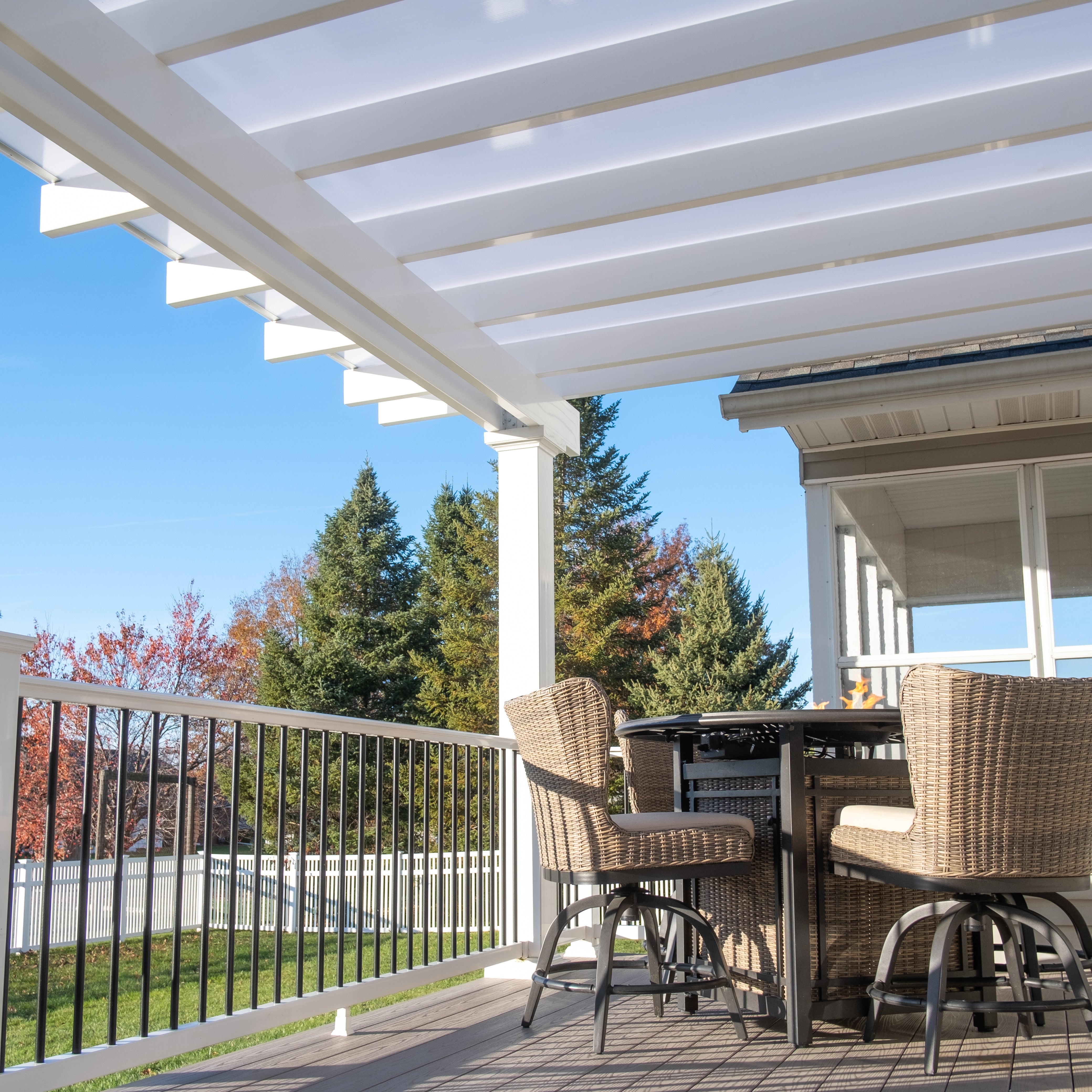 If samples are available, place the white and bronze options against the same background under similar lighting conditions.
A panel viewed against bright sky may appear different from that same panel viewed against dark trees, a brick wall, or a shaded portion of your home.
For a meaningful comparison:
If physical samples are not readily available, confirm whether they can be obtained before making your final decision.
Because you'll spend most of your time underneath the patio cover, the underside view deserves particular attention.
Look upward through each sample and observe the character of the light. Then look toward nearby landscaping, furniture, and windows to see how the panel affects your overall visual impression.
A panel that looks especially attractive from above may not be your favorite when viewed from below. Neither perspective is inherently more important, but the underside usually matters more for everyday comfort.
Glare is a personal comfort consideration, particularly on patios with bright paving, reflective furniture, glass doors, or nearby water.
Compare the panels during the periods when you expect to use your patio most often. Morning, midday, and late-afternoon sunlight can create noticeably different viewing conditions.
Pay attention to:
Important distinction: A darker-looking panel should not automatically be assumed to provide superior glare control. If glare reduction is your deciding factor, compare actual samples or request relevant panel-specific optical information.
Your roof-panel color becomes part of the overall appearance of your outdoor living space. The best-looking choice depends on how the panel interacts with your home's existing materials and colors.
 Consider the colors and textures surrounding the proposed patio cover:
For example, a home with light-colored siding and pale paving may create a very different backdrop than a home surrounded by dark masonry and mature trees.
Neither setting automatically favors white or bronze. The purpose of comparing them is to determine which tint produces the visual relationship you prefer.
A patio cover should feel like a natural extension of the outdoor living area you've already created.
If your patio features light upholstery, pale stone, and contemporary furniture, examine how each roof color looks alongside those materials. If your space includes darker furniture, wood tones, or richly colored masonry, make the same comparison.
Try to judge the complete composition rather than matching the roof to one individual object.
For homeowners with carefully coordinated outdoor furnishings, this can be the deciding factor when both panel colors otherwise seem equally appealing.
Sunset Pergola Kits offers white, tan, and black vinyl frame colors for its rainproof patio covers, while the solid polycarbonate roof panels are available in white or bronze.
These are separate design choices.
When deciding between roof colors, compare both options with the same intended frame color. Otherwise, you may find yourself responding to the frame's appearance rather than the roof tint itself.
Once you've identified your preferred combination, reviewing the photo gallery can help you visualize how a completed patio cover fits into a finished outdoor setting.
Both white and bronze polycarbonate roof panels offered by Sunset Pergola Kits carry the same stated benefits: 100% UV protection and a patio that can be up to 15 degrees cooler.
These are shared product claims, not evidence that both colors perform identically under every condition.
They also do not establish that bronze provides greater cooling because it looks darker, or that white necessarily transmits more daylight because it looks lighter.
The stated UV-protection benefit applies to both available roof colors. Likewise, the up-to-15-degree cooling claim is presented for the patio-cover roof options rather than as a verified comparison between white and bronze.
For your color decision, this means you shouldn't treat either panel as having a documented advantage in UV protection or temperature reduction based solely on the supplied product information.
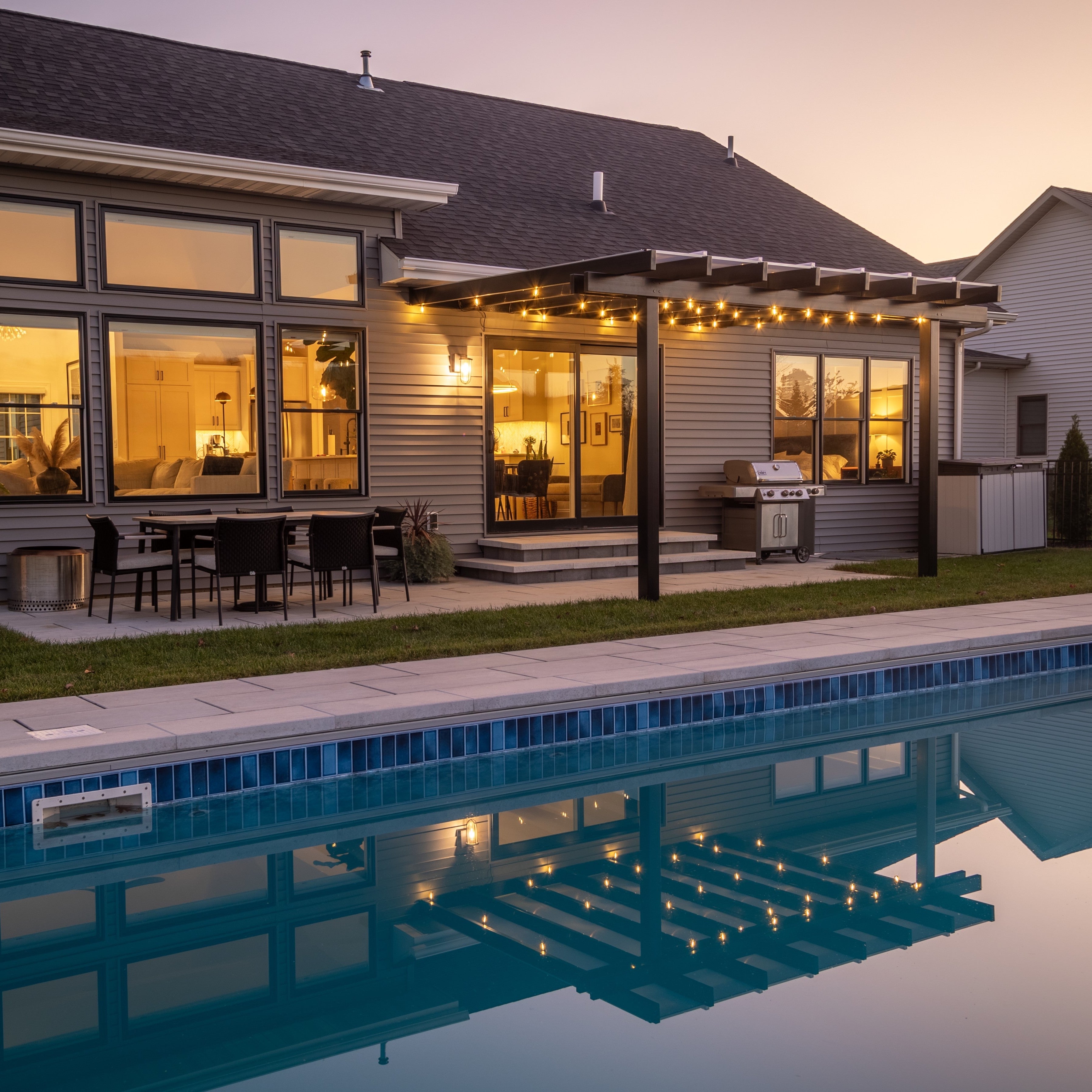
If daylight transmission, solar heat control, or glare reduction is especially important, ask whether verified specifications are available for the exact white and bronze panels being offered.
Useful information may include:
These measurements address different questions. A panel's visible appearance alone cannot establish its solar heat performance.
If verified specifications are unavailable, make your choice based on demonstrated appearance and personal visual comfort rather than an unconfirmed cooling advantage.
Once you've considered the appearance and light experience of each option, use the following checklist to narrow your decision.
For each question, record whether you prefer white, bronze, or need more information.
| Decision Factor | Question to Answer | How to Decide |
|---|---|---|
| Daylight | Which panel creates your preferred sense of brightness? | Compare actual samples or verified visible-light transmission data. |
| Glare | Which option feels more visually comfortable? | Evaluate samples during the times you expect to use the patio. |
| Nearby Windows | How does each tint look from inside adjacent rooms? | Compare both options from important indoor viewing positions. |
| Exterior Appearance | Which color complements your home and landscaping? | Compare both against the same siding, masonry, and outdoor finishes. |
| Furniture Coordination | Which panel looks better with your existing outdoor furnishings? | Judge the complete patio composition rather than one isolated color. |
| Performance | Is there verified evidence favoring one color for your priorities? | Request panel-specific data before making performance-based assumptions. |
Choose white if the actual white panel creates the daylight character and overall appearance you prefer, coordinates well with your home's finishes, and satisfies any verified performance requirements important to your project.
For example, you might prefer how a white panel looks against your home's existing trim and patio furnishings. That is a legitimate design reason to select it without needing to claim a cooling advantage.
Choose bronze if the actual bronze panel provides the visual atmosphere you prefer, complements your surroundings more successfully, and meets your performance expectations based on available evidence.
For example, you might prefer the way bronze looks alongside your home's masonry and darker outdoor furniture. Again, appearance can be a sufficient reason to choose it without assuming that the tint necessarily blocks more heat.
If photographs favor one color but physical samples favor the other, give greater weight to a representative sample viewed in your intended setting—provided it is the same material and finish being offered.
If your choice depends on a specific brightness or cooling outcome that you cannot verify, request the relevant information before ordering.
There is no need to force a decision based on an unsupported rule such as choosing bronze for hot climates or white for darker patios.
Once you have a preferred roof color, you can explore the available freestanding patio cover and attached patio cover configurations while keeping that preference in mind.
The best choice between white and bronze polycarbonate roof panels is the one that creates your preferred combination of daylight, visual comfort, and architectural appearance in your actual outdoor setting.
Compare both colors under similar conditions, consider the view from nearby windows, and avoid assuming that panel darkness establishes a cooling advantage. If the choice remains close, seek representative samples or verified performance details before committing.
With a preferred color—or a specific question still to resolve—you can browse Sunset Pergola Kits' rainproof patio cover collection and take the next step toward your finished outdoor living space.
Yes. Sunset Pergola Kits offers white or bronze polycarbonate roof panels for its rainproof patio covers. The vinyl frame is available in white, tan, or black. You can evaluate the roof-panel color separately from the frame color when planning your patio cover.
Yes. The same panel may appear different against bright sky, dark landscaping, masonry, or shaded surroundings. Compare white and bronze samples against the same background under similar lighting conditions for a more meaningful evaluation.
Yes. The underside view is especially important because that's what you'll see while using your patio. Compare how each panel looks from beneath the roof and from important viewing positions around your home.
Yes. Sunset Pergola Kits states that both white and bronze polycarbonate roof panels provide 100% UV protection. This shared claim does not establish a difference in UV performance between the two colors.
No. A darker appearance does not establish superior heat reduction. Both offered colors carry the stated benefit of patios being up to 15 degrees cooler, but verified panel-specific solar performance data would be needed to establish a difference between them.
Yes. A patio cover installed near large windows or glass doors can influence the visual experience from inside your home. Compare both roof colors from those indoor viewing positions as well as from the patio itself.
Prioritize a representative sample of the actual panel viewed under lighting conditions similar to your installation. Photographs can vary because of exposure, backgrounds, and editing. If your decision depends on measurable light or heat performance, request verified specifications before ordering.


